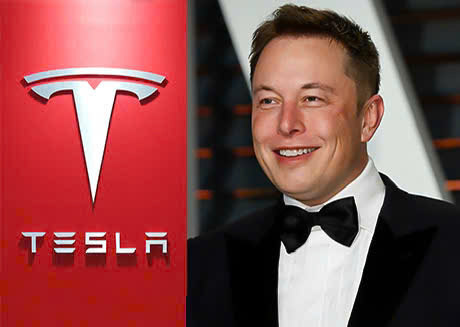
In 2003, while the world of automobiles continued to hum along on gasoline engines, few could have predicted the seismic shift that was about to reshape the industry. The future of cars—sleek, fast, and powered entirely by electricity—seemed like a pipe dream. Enter Elon Musk, the South African-born entrepreneur with a penchant for defying the odds and a relentless desire to challenge the status quo. Though Tesla Motors was founded by Martin Eberhard and Marc Tarpenning, it was Musk who would take the reins and turn a humble startup into a global powerhouse that would change the course of automotive history.
The Early Days: A Leap of Faith
Tesla’s origins trace back to two engineers, Eberhard and Tarpenning, who had a vision of creating electric cars that were not just environmentally friendly but also capable of performance that could rival traditional gasoline-powered vehicles. In the early stages, Tesla was just another Silicon Valley startup trying to make waves in an industry dominated by global giants. But then, in 2004, Musk, fresh off his PayPal fortune, entered the picture with a level of ambition that would push Tesla to unimaginable heights.
Musk didn’t just become a backer—he was all in. Investing millions of his own money, he took on the role of chairman of the board, with an unyielding vision for Tesla’s future. Musk’s investment and leadership were the catalysts that transformed Tesla from a small player into a global disruptor. With his backing, the company’s electric vision gained credibility, and soon, the world would see the first steps of what would become a revolution in the automobile industry.
The Roadster: Changing Perceptions of Electric Vehicles
Fast forward to 2008, and Tesla’s first creation, the Roadster, hit the streets. It was a car that wasn’t just about saving the planet—it was about proving a point. The Roadster was sleek, sexy, and fast, with an all-electric range that shattered the stereotype of electric cars being slow, unattractive, or impractical. The car could accelerate from 0 to 60 mph in under 4 seconds, taking on the likes of traditional sports cars from Ferrari and Porsche while emitting zero emissions.
The Roadster was Tesla’s way of telling the world that electric cars could be more than just a niche product—they could be a desirable and performance-driven alternative to gasoline vehicles. It was a statement of what could be achieved when technology, design, and sustainability collided in the right way. For Musk, it wasn’t just about building a car; it was about creating a movement—a movement that would challenge the auto industry’s deep reliance on fossil fuels and pave the way for a cleaner, greener future.
Musk’s Obsession with Sustainable Energy
Elon Musk’s commitment to sustainable energy was never just a marketing gimmick or a passing interest—it was, and continues to be, a deep-rooted passion that drives everything he does. Unlike many in the industry, Musk has never been content with simply building a car. Instead, he sees Tesla as part of a larger mission: to accelerate the world’s transition to sustainable energy.
Musk’s philosophy goes beyond just electric vehicles. Tesla’s efforts to develop solar energy products, such as solar panels and the Powerwall, further highlight his desire to change the world. For Musk, electric cars are only one part of the puzzle; the broader vision involves a complete ecosystem where homes, businesses, and cars are powered by renewable sources, drastically reducing humanity’s reliance on fossil fuels.
This far-reaching vision set Tesla apart from its competitors and positioned the company as a pioneer in the sustainability movement. Musk’s ambition extended beyond mere profit—he wanted to make a dent in the universe, as he famously stated. His commitment to creating a world where energy was clean, affordable, and sustainable drove Tesla’s technological innovations and guided the company toward breakthroughs that would shape the future.
The Gigafactories and Tesla’s Global Expansion
One of the most ambitious moves Musk made was the establishment of Gigafactories—massive production facilities designed to produce not just electric vehicles, but also the batteries that power them. These factories would become the backbone of Tesla’s global production, allowing the company to scale its operations and meet the growing demand for electric cars.
The Gigafactories also had a far-reaching impact on the industry as a whole. By producing batteries at such an enormous scale, Tesla was able to drive down the cost of electric vehicles, making them more accessible to the masses. This move didn’t just benefit Tesla—it reshaped the entire electric vehicle market, forcing competitors to rethink their strategies and ramp up their efforts to develop electric cars. Tesla had, once again, set the standard.
The company’s expansion didn’t stop with Gigafactories. Tesla quickly became a global brand, with production facilities opening in countries all over the world, including China and Europe. Each new location helped Tesla tap into new markets, pushing the company closer to its ultimate goal: a world powered by electric vehicles.
The Age of Autonomy: Self-Driving Dreams
As if electric vehicles weren’t disruptive enough, Musk took Tesla’s vision even further with the Autopilot system, a step toward full autonomous driving. With every software update, Tesla vehicles were inching closer to a future where driving could be done by the car itself, eliminating the need for human intervention. This was Musk’s vision of the “Robotaxi”—a fleet of autonomous vehicles that could shuttle passengers around while earning passive income for their owners.
While the road to full autonomy has been filled with challenges and setbacks, Musk’s persistence has paid off. Today, Tesla’s Full Self-Driving (FSD) technology continues to improve, and the dream of autonomous vehicles is on the cusp of becoming a reality. This, too, is part of Musk’s broader vision—disrupting traditional transportation and changing how people interact with cars, creating a future where personal vehicles are no longer the primary mode of transport.
Tesla’s Impact on the Automobile Industry
Musk’s impact on the automotive world cannot be overstated. Tesla’s rise has forced even the most established automakers to pivot toward electric vehicles. Companies like Ford, General Motors, and Volkswagen have all begun to pour billions into developing their own electric vehicle programs, following in Tesla’s wake. This shift is a testament to the power of Musk’s vision—a vision that continues to drive the industry toward sustainability and innovation.
Tesla’s success has also sparked a global conversation about the role of electric vehicles in mitigating climate change. Governments around the world are now offering incentives to encourage the adoption of electric cars, and many countries have set ambitious goals to phase out gasoline-powered vehicles entirely. In this sense, Tesla’s revolution is no longer just a corporate story; it is a movement that has reshaped the future of transportation.
The Legacy: A Spark That Keeps Burning
Today, Tesla stands as a titan of innovation, and Elon Musk’s legacy continues to evolve. From the Roadster to the Model S, Model 3, and beyond, Musk’s relentless ambition has driven Tesla to the forefront of the electric vehicle revolution. As the company expands into battery storage, solar energy, and autonomous driving, Tesla’s influence grows ever stronger.
What started as a modest startup in Silicon Valley has morphed into a global movement—a movement that challenges the norms of the automobile industry and strives for a more sustainable future. Love him or hate him, Elon Musk has succeeded in turning a spark of an idea into a blazing legacy—one that’s still accelerating toward a future filled with innovation, disruption, and sustainability.
Elon Musk has not just changed the way we drive; he’s reshaping the world in ways that will impact generations to come. And the best part? The spark that ignited Tesla is far from extinguished—it’s just getting started.